The Definitive Guide for Bed Bug Services
Table of ContentsWhat Does Bed Bug Services Do?Facts About Bed Bug Services RevealedUnknown Facts About Bed Bug ServicesThe Buzz on Bed Bug Services
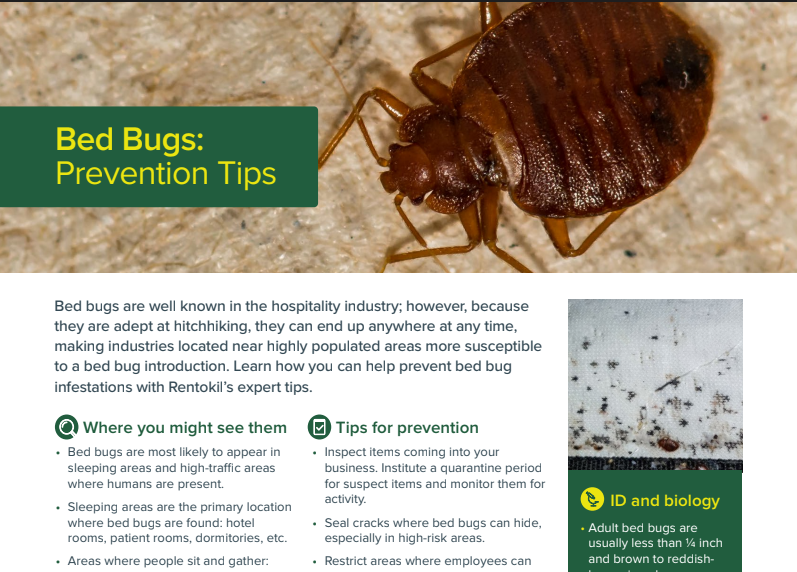
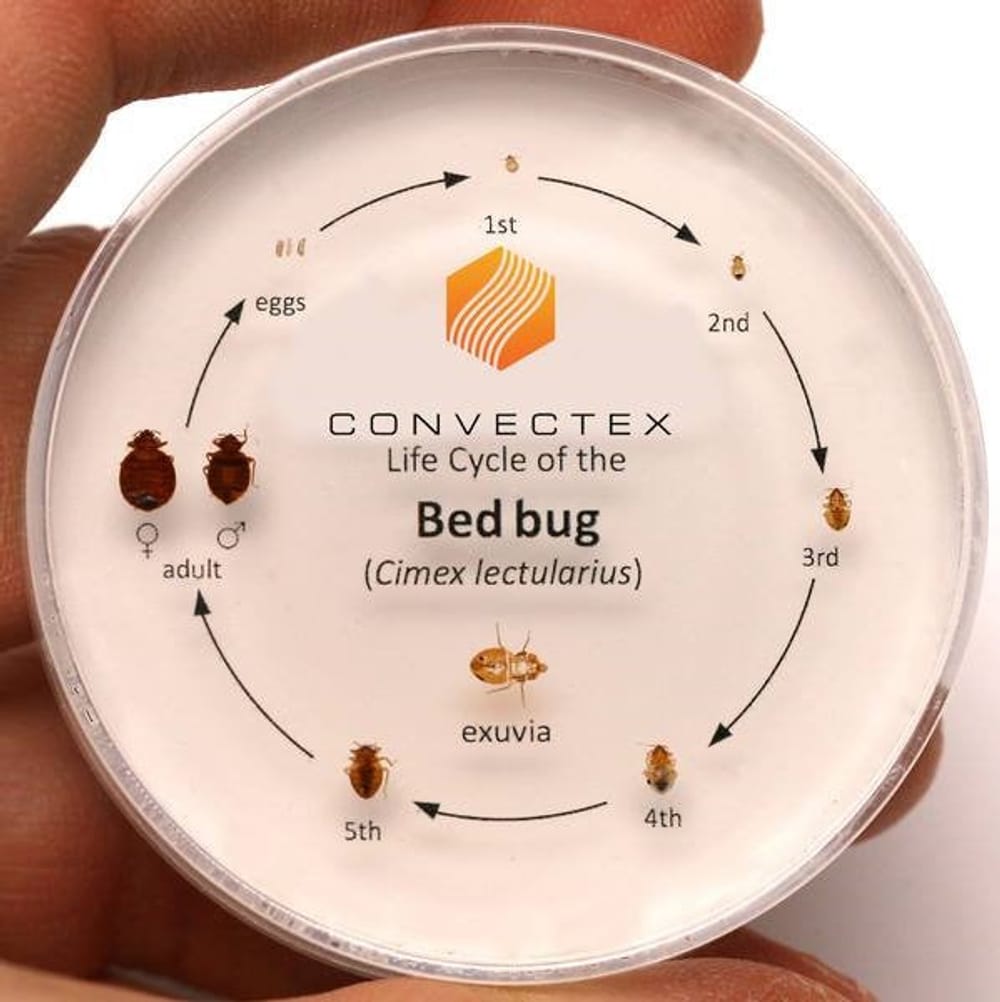
A professional bed bug inspection is a meticulous process and relies on expertise. Bed bugs are tiny, quick, and skilled at concealing themselves that hide in narrow spaces, corners, and upholstery. Because of their hidden habits, meticulous assessment is critical to determine the presence and extent of an infestation. Professional inspectors use a combination of tools, procedures, and knowledge to identify infestations early, stopping infestations from worsening.The first step in a proper inspection involves familiarizing oneself with the biology of bed bugs. Bed bugs belong to the Hemiptera group and experience multiple nymph stages before reaching adulthood. Adults are typically small, oval-shaped, reddish-brown, wingless, and equipped with long legs and antennae. Their feeding apparatus injects anticoagulants while drawing blood, resulting in clusters of itchy bites. Knowing these traits guides professionals in locating infestations.
Early detection is vital for stopping the problem from spreading. Professionals search for telltale signs such as dark spots of fecal matter, molted skins, and eggs (Bed Bug Services). Female bed bugs are capable of laying hundreds of eggs, potentially causing full-blown infestations. Evidence of molted skins or eggshells shows that the infestation is current and necessitates immediate attention
Preparing for an inspection demands meticulous preparation. Inspectors often recommend clearing clutter from treatment areas, which facilitates examination of hard-to-reach areas. Bedding and linens may be cleaned thoroughly and sealed in plastic bags, and then kept in plastic bags to maintain cleanliness. Wall decor, mirrors, and pictures may need to be removed to check hiding places. Vacuuming furniture and floors can remove loose pests, and vacuum bags should be emptied in a secure location.
6 Simple Techniques For Bed Bug Services
The inspection itself is systematic and thorough. Inspectors examine mattresses, bed frames, and headboards, checking seams, folds, handles, and crevices. Upholstered furniture, including sofas and recliners, is carefully examined, with attention to seams and cushions. Baseboards, moldings, the edges of wall-to-wall carpeting, electrical outlets, closets, and storage areas receive detailed attention, as these can be frequent hiding places.
Specialized tools help inspectors find hidden pests. Flashlights, magnifying lenses, multi-tools, and mirrors allow additional hints examination of tight spaces. Monitoring devices like interceptor traps or sticky pads allow ongoing monitoring of pest activity. Some companies employ trained canines, which detect even small infestations, distinguishing them from old evidence.

Meticulous documentation is a key component. Inspectors record the locations of evidence, severity of infestation, and treatment recommendations. This provides a reference for follow-ups and helps with client communication. Residents are often instructed to preserve evidence for accuracy, as this prevents loss of critical information.
After inspection, a monitoring plan may be recommended to verify infestations and observe his comment is here trends. Continuous monitoring assesses the effectiveness of treatment, and interviews with household members supplements physical inspection. Cooperation from residents enhances detection.
Getting The Bed Bug Services To Work
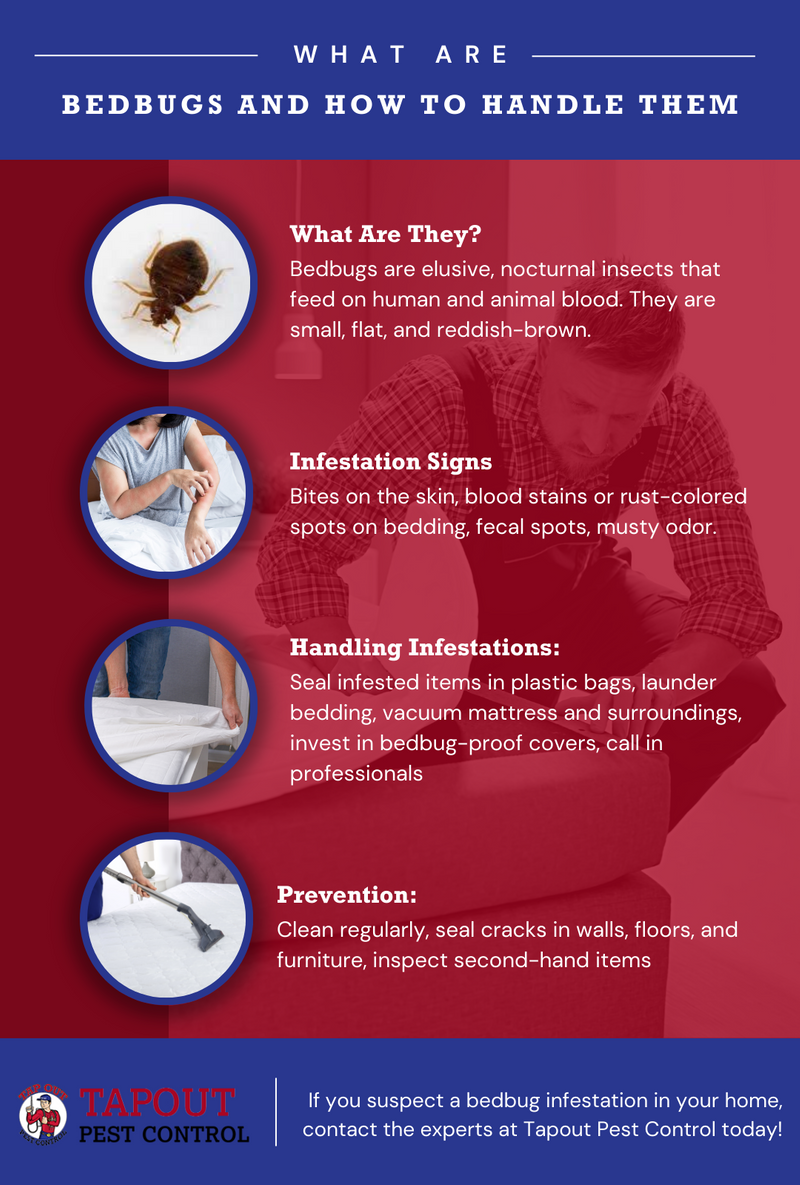
Professional inspections are more reliable than self-inspections. Trained inspectors spot subtle signs overlooked by untrained eyes, avoid unnecessary treatments, and provide certainty.
Bed bug inspections are particularly important in high-risk environments. Inspectors check neighboring rooms and shared spaces to identify potential spread (Bed Bug Services). This supports comprehensive control
In summary, a professional bed bug inspection requires knowledge of bed bugs, property preparation, careful examination, tool utilization, record-keeping, and follow-up monitoring. Each step contributes to accurate detection, effective treatment planning, and long-term prevention.
Fascination About Bed Bug Services